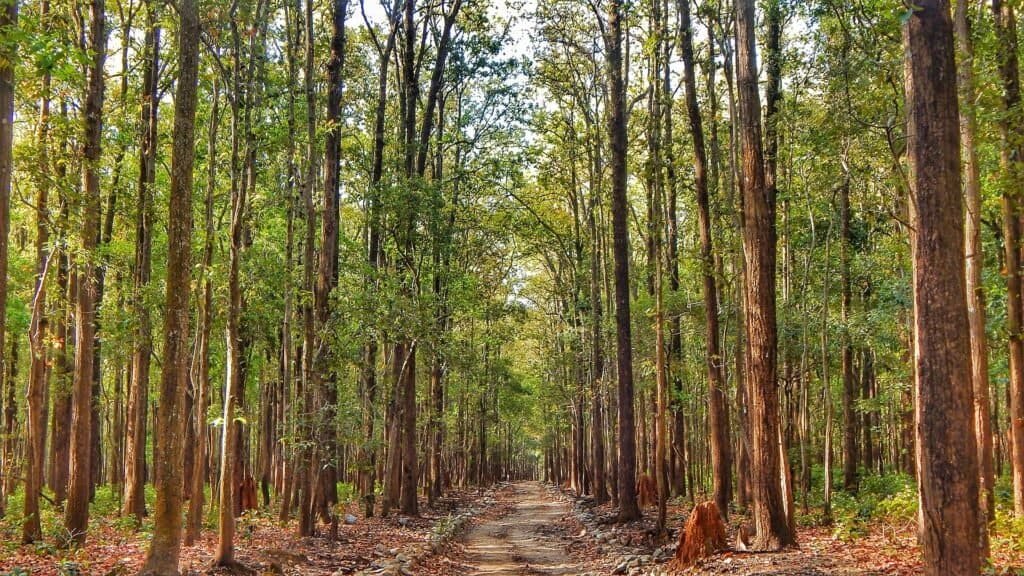
Bijrani is the safari zone most first-time visitors to Jim Corbett end up in, and for good reason. It starts just outside Ramnagar town, runs private jeep safaris in both morning and afternoon shifts, and is one of the two zones (with Dhikala) most consistently cited for tiger sightings. If you have only a day or two and want the best all-round chance of a great safari, Bijrani is usually the zone to book first.
Bijrani zone at a glance
- Entry gate: Amdanda Gate, about 1–2 km from Ramnagar.
- Vehicle: private jeep (Gypsy), up to six visitors plus driver and guide.
- Shifts: morning and afternoon.
- Season: 15 October to 30 June. Closed in the monsoon.
- Best for: tiger and leopard odds, a short transfer from town, first-time visitors.
Landscape and why tigers like it
Bijrani mixes tall sal forest with open grassland clearings, small streams and dry riverbeds. That edge between cover and open ground is ideal hunting habitat: deer graze in the clearings, and tigers use the forest and grass to approach. For visitors, the clearings and dry streambeds also create natural viewing points, which is why sightings here are more frequent than in denser forest zones.
Wildlife in Bijrani
- Big cats: Bengal tiger and leopard.
- Deer: chital (spotted deer), sambar and barking deer.
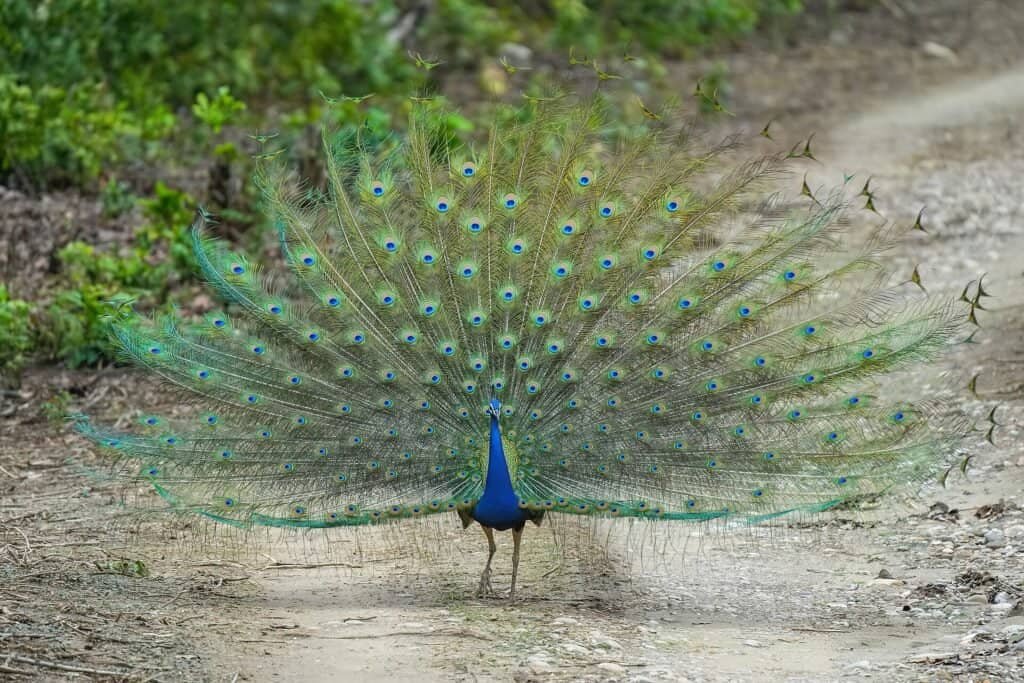
- Others: Asian elephant, wild boar, sloth bear, rhesus macaque and grey langur.
- Birds: red junglefowl, Indian peafowl, hornbills, woodpeckers and a range of raptors.
Alarm calls from chital and langur are the best clue that a tiger or leopard is moving nearby; a good guide will stop and wait when they start. See our guide to tigers in Jim Corbett for more on how sightings happen.
Best time to visit Bijrani zone
Bijrani opens on 15 October, earlier than Dhikala and several other zones. October to February is cool and lush, with good birding. March to June is hot, but tiger sightings peak as animals concentrate around water. Morning shifts are generally cooler and more active; afternoon shifts can be excellent in summer as animals return to water in the evening. See the best time to visit Jim Corbett for a full breakdown.
How to book a Bijrani safari
Bijrani permits are booked through the Uttarakhand Forest Department’s official booking portal, one permit per jeep, per shift. Indian nationals can generally book 45 days ahead and foreign nationals 90 days ahead. Because it is close to town and popular, Bijrani sells out quickly in peak season (December–March). Check our page on Jim Corbett timings and entry fees and read how permits work before you pay.
Where to stay for Bijrani zone
Because Amdanda Gate is right next to Ramnagar, any hotel in Ramnagar town or along the Dhikuli resort corridor works well for a Bijrani safari. The forest department also runs a rest house inside Bijrani, which is booked separately and fills fast. See our where to stay guide.
Tips for a better Bijrani safari
- Book two or more shifts if tigers are your priority; one shift is a lottery.
- Reach Amdanda Gate early with the same ID used for booking.
- Wear muted colours and keep noise down; the quieter the jeep, the more you see.
- Bring binoculars and a camera; mobile phones have been banned on Corbett safaris since February 2026.
Frequently asked questions
Yes. Bijrani and Dhikala are the two zones most consistently cited for tiger sightings in Jim Corbett, but no zone guarantees one.
Bijrani is entered through Amdanda Gate, just outside Ramnagar town.
Bijrani generally opens on 15 October and stays open until 30 June, closing for the monsoon. Confirm current dates before booking.
Bijrani usually gives better tiger odds and is closer to Ramnagar. Jhirna is open year-round and is the better choice in the monsoon or when Bijrani is sold out.
Source: Jim Corbett National Park (Wikipedia). Rules and tariffs are set by the Uttarakhand Forest Department and change periodically.