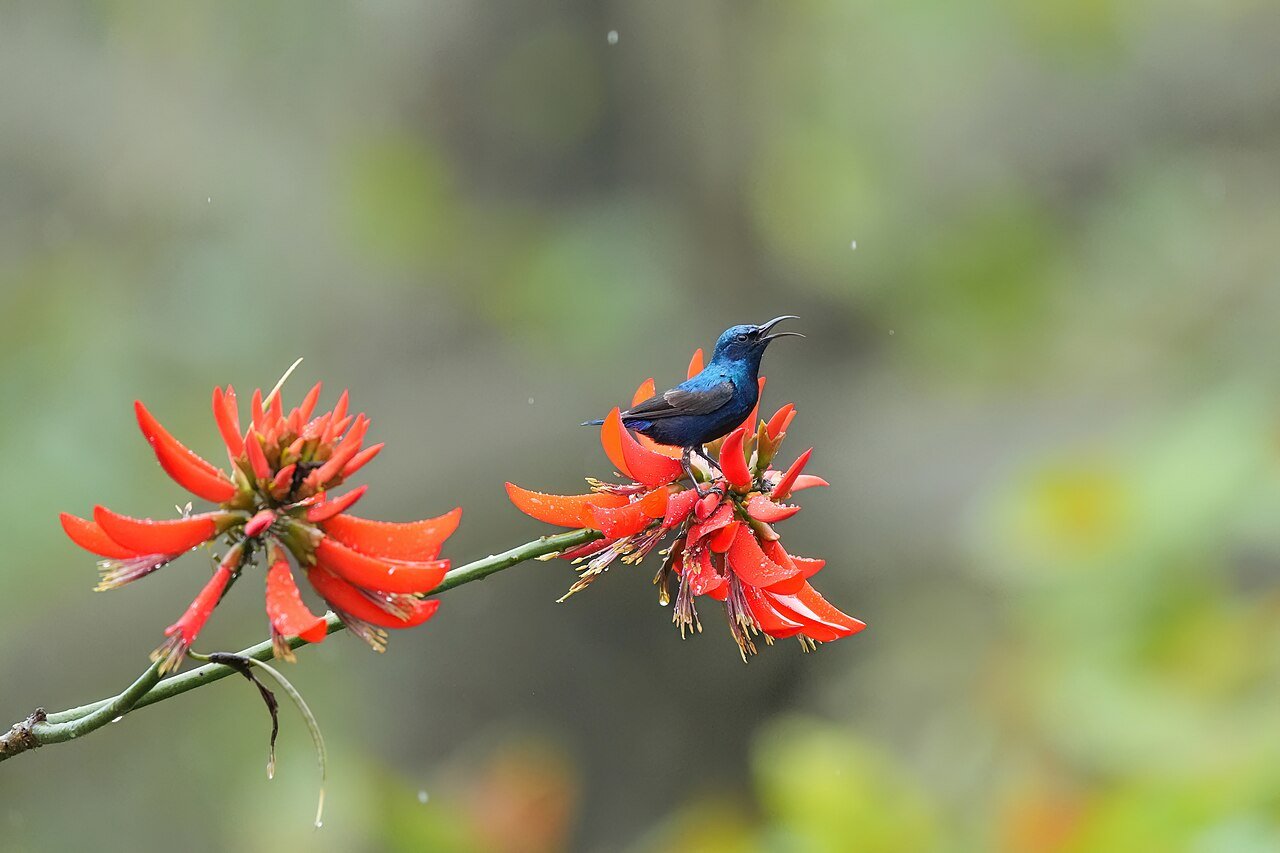
Published surveys cited for the reserve record 580+ resident and migratory bird species, spanning riverine, grassland and sal-forest habitat along the Ramganga — a range broad enough that birders regularly rank Corbett among the strongest single-reserve birding destinations in northern India. Our wildlife page has the full species list.
Best zone for birding: Durga Devi
The Durga Devi zone, at the confluence of the Ramganga and Mandal rivers, is the zone most consistently recommended for birdwatching thanks to its riverine forest and lower visitor traffic than Bijrani or Dhikala — both of which prioritise tiger-sighting routes over slow, stationary birding stops.
Best season for birding: winter migratory season
Mid-November through February brings the migratory bird population into the park alongside residents, making winter the strongest single window for a dedicated birding trip — the same season that also has the coolest, most comfortable early-morning safari conditions.
What to bring
Binoculars are essential — the open canter/jeep format means you cannot leave the vehicle, so optics matter more here than on a walking birding trip. A telephoto lens and a printed or offline checklist app help more than a guidebook you have to look up mid-safari.