Jhirna, Dhela and Sitabani operate year-round; Dhikala, Bijrani, Durga Devi, Garjia and Phato all close for the monsoon, typically from around 1 July to 15 November. If a trip lands in this window, choosing one of the three open zones is the only way to safari inside Corbett at all.
Why Jhirna is the default monsoon choice
Jhirna sees the most consistent elephant-herd activity of the three open zones and runs a normal jeep-safari schedule, making it the most straightforward monsoon option for a first-time visitor who wants a conventional safari format rather than the flexible-timing Sitabani buffer zone.
What the trade-offs actually are
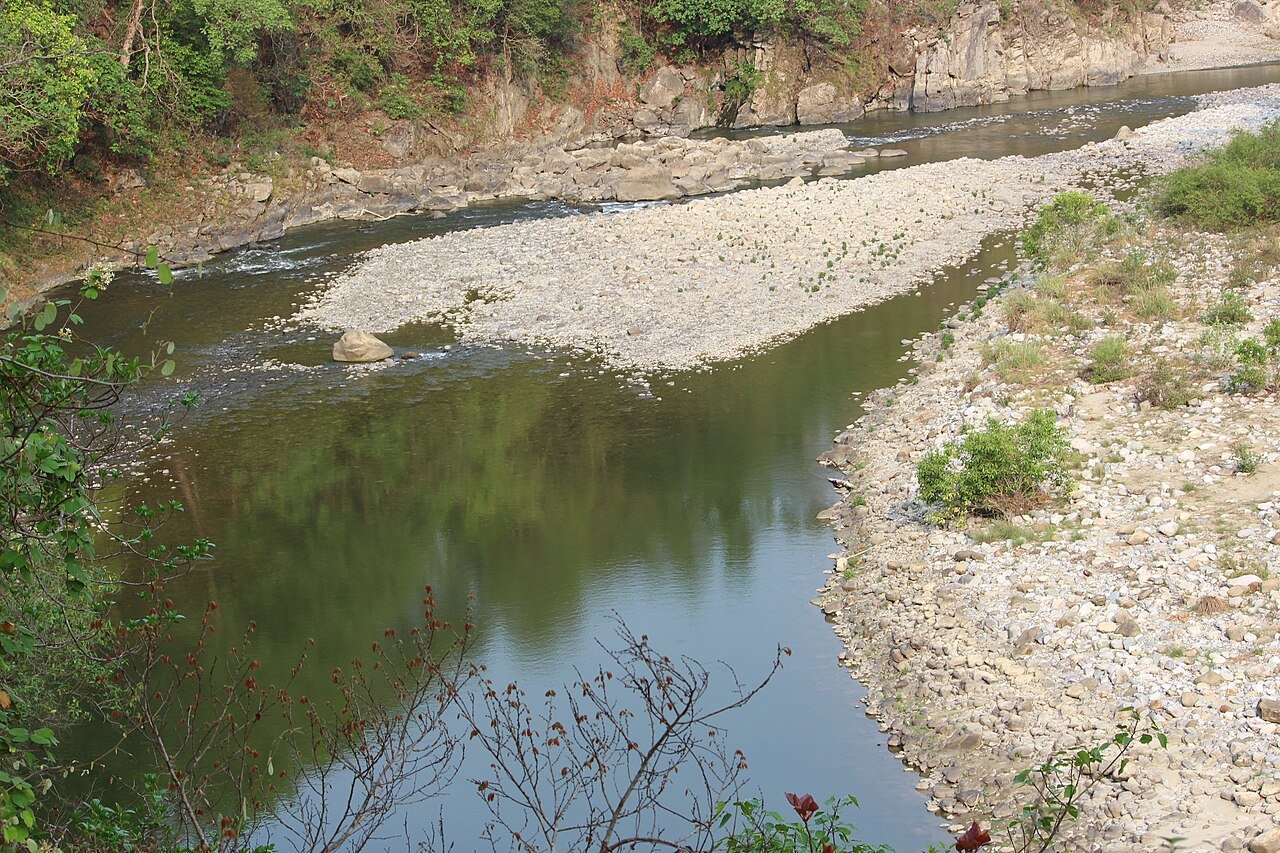
Expect lower tiger-sighting odds than peak-season Bijrani, wetter and muddier tracks, and denser foliage that reduces visibility versus the dry-season grasslands. In exchange, permits are far easier to get, rates and crowds are lower, and the forest is visibly greener than any other time of year — a genuinely different, quieter version of Corbett rather than a lesser one.